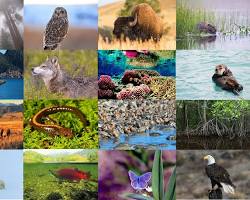
Biodiversity, a contraction of “biological diversity,” is the complex, interconnected web of life that sustains our planet. It is not merely a checklist of species but the very fabric of ecosystems, encompassing the variety of life at all levels, from genes to ecosystems. This intricate tapestry, woven over billions of years of evolution, is the foundation upon which human civilization is built, yet it is facing an unprecedented crisis. Understanding biodiversity in its full depth is crucial to navigating our relationship with the natural world and securing a viable future.
Table of Contents
Defining the Multifaceted Nature of Biodiversity
Biodiversity is most comprehensively understood through its three primary, hierarchical levels:
1. Genetic Diversity: This is the foundation, referring to the variation of genes within a single species. It includes the differences in DNA sequences among individuals in a population of, for example, tigers, wheat, or bacteria. This variation is the raw material for adaptation and evolution. High genetic diversity allows a species to better resist diseases, adapt to changing environmental conditions like climate shifts, and maintain overall population health. The catastrophic Irish Potato Famine of the 1840s is a stark example of the dangers of low genetic diversity, where a single fungus wiped out the genetically uniform potato crop, leading to mass starvation.
2. Species Diversity: This is the most commonly recognized level of biodiversity. It refers to the variety of species within a habitat or region. This encompasses not just the number of species (species richness) but also their relative abundance (species evenness). A forest with 100 tree species is more diverse than a monoculture plantation, and a forest where 10 species are equally common is more diverse than one where one species dominates 90% of the area. Scientists have described about 2 million species, but estimates for the total number on Earth range from 8.7 million to over 1 trillion, with the vast majority being microorganisms and insects.
3. Ecosystem Diversity: This is the highest level, encompassing the variety of habitats, biological communities, and ecological processes within the biosphere. It includes the differences between forests, deserts, wetlands, grasslands, coral reefs, and deep-sea vents. Each ecosystem has its own unique structure and function, driven by the interactions between species and their physical environment. The health of the planet depends on the functioning of these diverse ecosystems, which provide services like water purification, pollination, and climate regulation.
The Uneven Distribution of Life: Biodiversity Hotspots
Life is not uniformly distributed across the globe. Its richness is concentrated in specific regions, most notably the tropics. The latitudinal biodiversity gradient is a well-established pattern, showing a dramatic increase in species richness from the poles to the equator. A single hectare of tropical rain forest may contain over 750 species of trees, a number greater than the native tree diversity of all North America.
To prioritize conservation efforts, scientists have identified “biodiversity hotspots.” To qualify, a region must meet two criteria:
- It must contain at least 1,500 species of vascular plants as endemics (species found nowhere else on Earth).
- It must have lost at least 70% of its original primary vegetation.
These 36 hotspots, covering only 2.4% of the Earth’s land surface, are home to an astounding proportion of its terrestrial species—over half of the world’s plant species and nearly 43% of bird, mammal, reptile, and amphibian species. Examples include the Amazon Basin, the Coral Triangle in Southeast Asia, the Cape Floristic Region of South Africa, and the Himalayas.
The Incalculable Value of Biodiversity: More Than Just Beauty
Biodiversity’s value is profound and multifaceted, extending far beyond its aesthetic and intrinsic worth. It is often categorized into several types of value:
1. Provisioning Services: These are the tangible products that humans directly consume from ecosystems.
- Food: All our food—crops, livestock, and fish—originates from biodiversity. Wild relatives of domesticated plants are crucial genetic reservoirs for developing new, more resilient crop varieties.
- Medicines: A significant portion of modern pharmaceuticals is derived from natural compounds. Aspirin came from willow bark, the cancer drug Taxol from the Pacific yew tree, and countless more potential cures await discovery in unexplored species, particularly in rainforests and marine environments.
- Pest and Disease Control: A diverse ecosystem supports predators that keep potential pest populations in check.
- Flood and Erosion Control: Root systems of plants, especially in mangroves and forests, stabilize soil and absorb excess water.
3. Supporting Services: These are the foundational processes necessary for the production of all other ecosystem services.
- Soil Formation: The decomposition of organic matter by a multitude of organisms creates and enriches soil.
- Nutrient Cycling: The cycling of carbon, nitrogen, phosphorus, and other essential elements is driven by the complex interactions of plants, animals, and microbes.
- Photosynthesis: The primary production of oxygen and organic compounds by plants, algae, and cyanobacteria is the basis for almost all life on Earth.
Cultural Services: These are the non-material benefits people obtain from ecosystems.
- Recreational: Hiking, birdwatching, and ecotourism.
- Aesthetic and Spiritual: The inspiration and sense of wonder derived from nature.
- Educational and Scientific: Nature is a living laboratory for scientific discovery and learning.
The Silent Crisis: Major Threats to Biodiversity
Human activities are driving a sixth mass extinction, the first to be caused by a single species: Homo sapiens. The primary threats, often acting synergistically, are encapsulated by the acronym HIPPCO, coined by biologist E.O. Wilson:
- H – Habitat Loss and Fragmentation: This is the single greatest threat. The conversion of forests, grasslands, and wetlands for agriculture, urban development, and infrastructure destroys ecosystems and slices them into smaller, isolated patches that cannot support viable populations.
- I – Invasive Species: The introduction of non-native species, either accidentally or intentionally, can have devastating consequences. Invasive species can outcompete native species for resources, prey on them, introduce diseases, and alter ecosystem processes. Examples include the brown tree snake in Guam, which decimated native bird populations, and kudzu vine in the southeastern United States.
- P – Pollution: Chemical pollutants from industry and agriculture (pesticides, fertilizers), plastic waste in oceans and rivers, and air and noise pollution all degrade habitats and poison wildlife. For instance, nutrient runoff creates “dead zones” in aquatic ecosystems.
- P – Population Growth (Human): The expanding human population increases the demand for resources, amplifying all other threats.
- C – Climate Change: As global temperatures rise, species are forced to shift their ranges to higher latitudes or elevations. Those that cannot adapt or migrate face extinction. Climate change also causes ocean acidification, which dissolves the shells of marine organisms and bleaches coral reefs.
- O – Over exploitation: The unsustainable harvesting of resources, including over fishing, over hunting, poaching (e.g., for the ivory trade), and logging, directly depletes populations faster than they can reproduce.
- Weaving a Stronger Tapestry: Conservation Strategies
- The scale of the biodiversity crisis demands a multi-pronged, urgent, and global response. Conservation strategies operate at multiple levels:
- 1. In-Situ Conservation (On-site): This involves protecting species in their natural habitats.
- Protected Areas: Establishing and effectively managing national parks, wildlife sanctuaries, and marine protected areas is a cornerstone of conservation. The “30×30” initiative, to protect 30% of the planet’s land and oceans by 2030, is a key global target.
- Habitat Restoration: Actively restoring degraded ecosystems, such as reforesting cleared land or rehabilitating wetlands.
- Community-Based Conservation: Empowering local and indigenous communities, who are often the most effective stewards of their land, to manage natural resources sustainably.Weaving a Stronger Tapestry: Conservation Strategies
- The scale of the biodiversity crisis demands a multi-pronged, urgent, and global response. Conservation strategies operate at multiple levels:
- 1. In-Situ Conservation (On-site): This involves protecting species in their natural habitats.
- Protected Areas: Establishing and effectively managing national parks, wildlife sanctuaries, and marine protected areas is a cornerstone of conservation. The “30×30” initiative, to protect 30% of the planet’s land and oceans by 2030, is a key global target.
- Habitat Restoration: Actively restoring degraded ecosystems, such as reforesting cleared land or rehabilitating wetlands.
- Community-Based Conservation: Empowering local and indigenous communities, who are often the most effective stewards of their land, to manage natural resources sustainably.
2. Ex-Situ Conservation (Off-site): This serves as a backup when in-situ conservation is insufficient.
- Zoological Parks and Botanical Gardens: These institutions maintain captive breeding populations of endangered species for reintroduction programs and serve as centers for public education and research.
- Seed Banks and Gene Banks: Facilities like the Svalbard Global Seed Vault in Norway preserve the genetic diversity of crops and wild plants, safeguarding them against global catastrophes.
3. Policy and International Cooperation:2. Ex-Situ Conservation (Off-site): This serves as a backup when in-situ conservation is insufficient.
- Zoological Parks and Botanical Gardens: These institutions maintain captive breeding populations of endangered species for reintroduction programs and serve as centers for public education and research.
- Seed Banks and Gene Banks: Facilities like the Svalbard Global Seed Vault in Norway preserve the genetic diversity of crops and wild plants, safeguarding them against global catastrophes.
3. Policy and International Cooperation:
- International Agreements: Treaties like the Convention on Biological Diversity (CBD) and the Convention on International Trade in Endangered Species (CITES) provide a framework for global cooperation.
- National Legislation: Strong environmental laws and policies that regulate pollution, land use, and resource extraction are essential.
4. Individual and Collective Action:
Ultimately, the fate of biodiversity rests on societal choices. Reducing our ecological footprint through conscious consumption, supporting sustainable products, reducing waste, and advocating for strong environmental policies are actions everyone can take.
Conclusion
Biodiversity is the living, breathing infrastructure of our planet. It is not a luxury but a necessity, providing the essential services that underpin our economies, health, and well-being. The current rapid decline of this diversity is not just an environmental issue; it is a fundamental threat to human security and development. Recognizing the profound value of every thread in this complex tapestry—from the soil microbe to the apex predator—is the first step. The next, and most critical, is to marshal the collective will, innovation, and resources to protect and restore it. The future of the tapestry of life, and our own place within it, depends on the choices we make today.
FAQs
1. What does “biodiversity” actually mean?
Biodiversity is short for “biological diversity.” It refers to the vast variety of all life forms on Earth—the different plants, animals, fungi, and microorganisms—as well as the genetic differences within these species and the ecosystems they form.
2. What are the different levels of biodiversity?
Biodiversity is typically studied at three levels:
Genetic Diversity: The variation of genes within a single species (e.g., the different breeds of dogs, the variety of corn seeds, or the different traits in a human population).
Species Diversity: The variety of different species in a particular region or on the planet. This is what most people think of when they hear “biodiversity.”
Ecosystem Diversity: The variety of habitats, biological communities, and ecological processes. This includes forests, deserts, wetlands, grasslands, coral reefs, and more.
3. Are we really in a “biodiversity crisis”?
Yes, scientists overwhelmingly agree that we are in a period of mass extinction, the sixth in Earth’s history, and the first caused by a single species: humans. Species are going extinct at a rate 100 to 1,000 times higher than the natural background rate.
4. What is the difference between “endangered,” “threatened,” and “extinct”?
Endangered: A species that is in danger of extinction throughout all or a significant portion of its range.
Threatened (or Vulnerable): A species that is likely to become endangered in the near future.
Extinct: A species that no longer exists anywhere on Earth.
5. What is being done to protect biodiversity?
Conservation efforts happen at all levels:
International Agreements: The Convention on Biological Diversity (CBD) and the CITES treaty (regulating wildlife trade) are key examples.
Government Action: Creating protected areas (national parks, wildlife refuges), passing laws like the U.S. Endangered Species Act, and funding conservation science.
Work of NGOs: Organizations like the World Wildlife Fund (WWF), The Nature Conservancy, and countless local groups work to protect species and habitats.
Scientific Research: Tracking species, restoring habitats, and breeding endangered species in captivity for reintroduction.